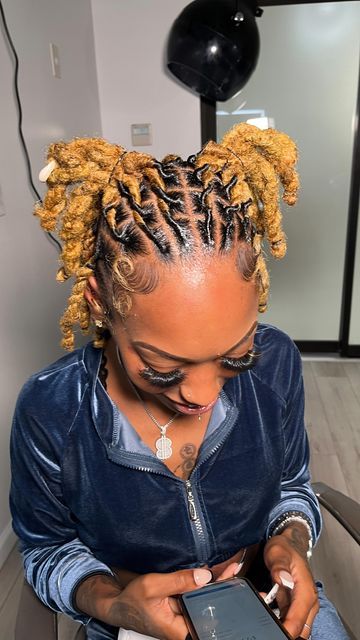
New York City, a melting pot of cultures and heritage, hums with the vibrancy of diverse neighborhoods. One fascinating aspect of this multicultural milieu is the art of braiding. This ancient practice transcends mere aesthetics; it serves as a symbol of identity, tradition, and community. Here, we explore ten neighborhoods where braiding thrives, offering distinct perspectives on style, culture, and techniques.
1. Harlem: The Legacy of Black Culture
Harlem stands as a bastion of African-American culture and heritage. The area is renowned for its historical significance in the civil rights movement and the Harlem Renaissance. Here, braiding takes on a profound meaning, often reflecting personal and communal identities. Many salons populate the streets, offering intricate braids such as cornrows and box braids, which serve not only as hairstyles but as declarations of cultural pride. For those seeking traditional techniques, the neighborhood hosts workshops that delve into the rich tapestry of African hair care practices.
2. Brooklyn: A Cultural Mosaic
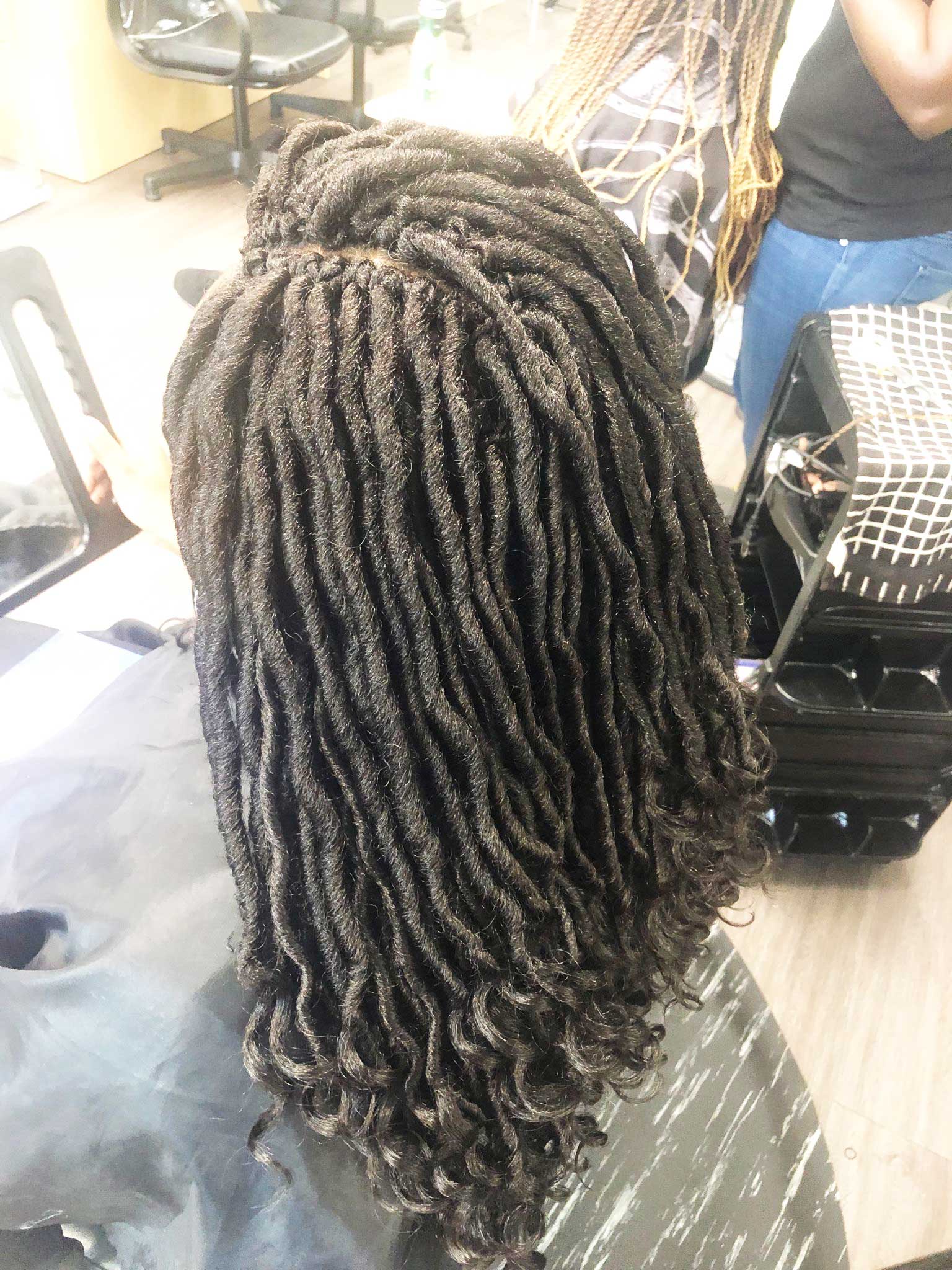
In Brooklyn, particularly in Crown Heights and Bed-Stuy, a unique fusion of cultures manifests through braiding styles. The Caribbean influence is palpable with styles like crochet braids and Havana twists becoming increasingly popular. Local salons often incorporate vibrant extensions and eclectic colors, aligning braiding with contemporary fashion trends. Community events celebrate braiding, featuring local artisans who share their craft, ensuring that these techniques are passed down through generations.
3. Queens: Diversity at Its Best
Queens boasts an astonishing array of cultures, and its braiding scene reflects this diversity. Areas such as Jackson Heights and Astoria are hubs for South Asian and Latino influences, respectively. In Jackson Heights, you’ll find intricate braid designs such as fishtails and Dutch braids derived from South Asian traditions. Conversely, Astoria celebrates a blend of Latino styles, with many salons innovating traditional braiding techniques into modern fashion statements. Each neighborhood salon offers an authentic experience, showcasing hair artistry from around the world.
4. The Bronx: A Hub of Urban Style
The Bronx, often viewed as the birthplace of hip-hop, also has a thriving braiding culture. Here, street style converges with artistry. Box braids and knotless braids are favorites among the youth, embodying urban flair and practicality. Many local salons cater to athletes and performers who require hairstyles that are both stylish and functional. Events showcasing local talent often feature braiding competitions, emphasizing creativity and skill, thus fostering a sense of community.
5. Chinatown: East Meets West
Chinatown offers a fascinating lens through which to examine the interplay of Eastern and Western braiding styles. Traditional Chinese hairstyles, often involving intricate twists and knots, inspire many local salons. The emergence of ‘bubble braids’—a playful and modern take—reflects the fusion of contemporary aesthetics with traditional practices. Moreover, salons frequently host demonstrations, allowing patrons to learn about the significance of various braiding techniques in Chinese culture.
6. Washington Heights: A Celebration of Dominican Heritage
Washington Heights is known for its vibrant Dominican community, where braiding emerges as an artistic expression of heritage. Dreadlocks and oversized braids dominate the local aesthetic, embodying freedom and individuality. Salons here not only provide hair services but also act as social hubs, where clients exchange stories and celebrate their roots. Techniques such as ‘ballet braids’—a unique styling method involving multiple sections—highlight the neighborhood’s creativity and tradition.
7. East Village: The Avant-Garde
The East Village attracts an eclectic crowd, from artists to fashion enthusiasts. The braiding scene reflects this avant-garde spirit. It thrives on experimentation, with innovative techniques and unconventional materials being utilized. Many salons in the area offer services like braided mohawks or accent braids adorned with beads and jewelry. Workshops are often held for those wishing to learn these unique styles, promoting individual expression through hair artistry.
8. Little India: A South Asian Aesthetic
Little India in Jackson Heights serves as another vital center for South Asian braiding traditions. Classic styles like fishtails and intricate weavings celebrate the cultural significance of hair in Indian traditions. Many salons cater to special occasions, such as weddings and festivals, providing elaborate braid designs embellished with flowers and decorative elements. The expertise of stylists in this neighborhood underscores the importance of braiding as a means of expressing community ties.
9. Astoria: The International Fusion
Astoria exemplifies New York’s international flair. With a diverse population, the neighborhood’s braiding culture blends various European, Middle Eastern, and Latino influences. Clients can find braiding offered in a multitude of styles, from sleek, European-inspired looks to bold, Latino-infused designs. Salons here are often family-run, preserving long-held techniques while adapting to modern tastes, creating an inviting atmosphere for all clients.
10. SoHo: The Chic Urban Experience
SoHo, known for its chic boutiques and trendy residents, offers an upscale approach to braiding. High-end salons focus on bespoke braid designs tailored to individual fashion preferences. Techniques here are often experimental, blending classic braiding styles with contemporary twists—think holographic-colored braids or paraffin wax braiding for enhanced shine. Pop-up events and fashion shows often feature avant-garde styles, keeping the neighborhood at the forefront of the NYC braiding scene.
In conclusion, the diverse neighborhoods of New York City offer a rich tapestry of braiding cultures, styles, and communities. From the artistic expressions found in the East Village to the cultural legacies preserved in Harlem, each area showcases unique practices that contribute to the broader narrative of identity and creativity. As braiding continues to evolve, so too does its role as a vehicle for self-expression and connection among New Yorkers.