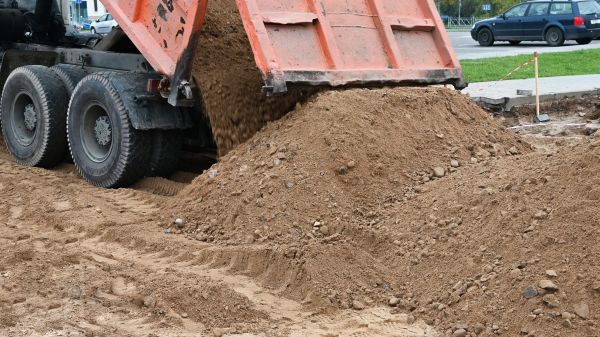
Fill dirt serves a variety of functional and aesthetic purposes in many neighborhoods across New York. As urban landscapes continue to evolve, the demand for this essential material reflects a unique combination of civil engineering needs and community development. Here, we explore ten notable locations where fill dirt plays an integral role, addressing the common observation that soil is a mere byproduct of construction while hinting at the deeper nuances of urban planning.
1. Brooklyn’s Greenpoint
In Greenpoint, a neighborhood marked by a rich industrial history, fill dirt is instrumental in residential renovation projects. Historically a hub for factories and warehouses, the land has undergone extensive transformation. Fill dirt is utilized to elevate properties above potential flooding zones, especially as climate change exacerbates the risk. The infusion of clean fill has enabled the development of parks and community spaces, promoting greenery amidst the urban sprawl.
2. Queens’ Astoria
Astoria, known for its vibrant cultural tapestry, has also embraced fill dirt to bolster its expanding waterfront. With ongoing initiatives aimed at enhancing the shores of the East River, fill dirt helps create new recreational areas, including the Astoria Park waterfront expansion. Not only does this fill material facilitate improved pedestrian access, but it also enriches the community’s ecological footprint, allowing for better drainage and natural habitats.
3. The Bronx’s Riverdale
In the scenic enclave of Riverdale, fill dirt plays a pivotal role in private residential projects. As homeowners embark on adding basements or terracing their gardens, the need for fill dirt becomes apparent. Its applications extend beyond construction; fill dirt contributes to the environmental integrity by promoting effective runoff management in a region that contends with hilly terrain and varied soil compositions.
4. Manhattan’s Upper West Side
The Upper West Side, characterized by its historic brownstones and luxury high-rises, frequently witnesses alterations that necessitate fill dirt. These changes often stem from modernization efforts where older homes are lifted or renovated. Ground stabilization is achieved using fill dirt to prevent issues such as subsidence, ultimately maintaining the architectural integrity of this trendy neighborhood.
5. Staten Island’s Freshkills Park
Freshkills Park, once the site of a notorious landfill, has evolved into a massive recreational area that harnesses the properties of fill dirt in its transformation. As one of the largest parks in New York City, fill dirt was essential in reshaping the landscape, creating hills for visibility, and enhancing the ecological environment. This initiative not only highlights the adaptive reuse of land but underscores the intricate relationship between urban decay and revitalization.
6. Harlem
In Harlem, ongoing development projects have magnified the importance of fill dirt in revitalizing older neighborhoods. The juxtaposition of historic architecture with new construction highlights the need for fill dirt to level sites and raise building foundations, ensuring stability in soil-filled basements. Moreover, the introduction of public gardens and urban greenspaces leverages fill dirt to enhance sustainability, accentuating the community’s commitment to environmental stewardship.
7. Staten Island’s Great Kills
Great Kills, known for its picturesque waterfront, also employs fill dirt in various landscaping projects, especially as homes expand or are rebuilt after storm damage. Here, fill dirt not only assists in leveling yards but also ensures proper drainage on the sloped terrains that characterize many properties. The juxtaposition of new construction against a backdrop of nature showcases how fill dirt can enhance aesthetics while serving practical purposes.
8. The Bowery in Manhattan
A historically significant area, The Bowery has seen a resurgence that necessitates the use of fill dirt in urban redevelopment. As new high-rises emerge, fill dirt helps elevate these structures and provides foundational support in the face of deep excavations. The duality of the past and present is palpable here, as fill dirt represents not only the physical elevation of buildings but also the elevation of community standards and urban living.
9. Williamsburg
Williamsburg’s evolution from an industrial zone to a hipster haven underscores the relevance of fill dirt in strategic urban planning. As developers reshape this once-neglected area into vibrant residential spaces and cultural venues, fill dirt has become essential for raising the ground around new construction. The transformation illustrates the artifice of landscape design, where fill dirt serves as both a physical barrier against flooding and a metaphorical bridge between past industrial uses and future aspirations.
10. Flushing Meadows-Corona Park
In the vast expanse of Flushing Meadows-Corona Park, fill dirt played a critical role in the park’s establishment for the 1964 World’s Fair. The diverse geological makeup of the area required extensive grading, which was achieved with fill dirt to create the park’s iconic landscapes. Today, continued enhancements to the park utilize fill dirt to develop recreational facilities, sports fields, and venues that bear witness to the ever-evolving urban needs.
Through these ten neighborhoods, fill dirt emerges as an unexpected yet vital resource within the urban matrix of New York City. From addressing flooding issues to facilitating aesthetic enhancements, its importance extends far beyond construction. As neighborhoods continue to transform, the role of fill dirt remains an essential underpinning of resilience and community revitalization.