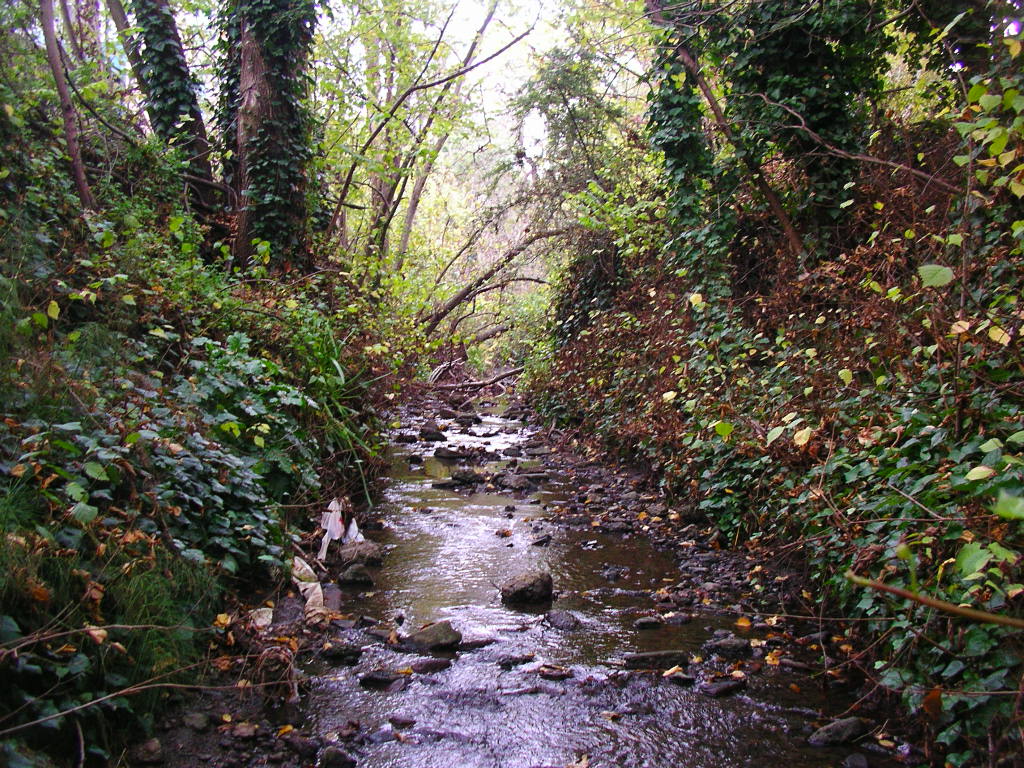
New York City, a bustling metropolis often overshadowed by its iconic skyscrapers and frenetic pace, also boasts a myriad of serene creeks weaving through various neighborhoods. These watercourses have been part of the city’s tapestry long before the urban sprawl, often overlooked, yet profoundly significant to local ecosystems and communal histories. Discovering these hidden gems offers a unique perspective on the city’s natural beauty and cultural heritage. Here are ten creeks that contribute to the charm of various neighborhoods in New York.
1. The Gowanus Canal
Located in Brooklyn, the Gowanus Canal is infamous for its industrial past. Once a thriving hub for shipping, it has undergone significant environmental restoration efforts in recent years. The creek is now an area of burgeoning artistic expression and community engagement, with new parks and venues emerging along its banks. Kayaking excursions and walking tours punctuate its renaissance, inviting residents and visitors alike to explore its murky waters while gaining a deeper understanding of urban ecology and gentrification.
2. The Bronx River
Spanning over 23 miles, the Bronx River meanders from Westchester County into the heart of the Bronx. This creek is one of New York City’s last remaining freshwater rivers, rich in biodiversity. The Bronx River Alliance works tirelessly to restore its banks, creating accessible greenways that invite walking, biking, and fishing. As it winds through neighborhoods, it serves as a reminder of the importance of freshwater ecosystems and the history of the surrounding communities that have grown in tandem with the river’s flow.
3. Flushing Creek
Flushing Creek flows through Queens and has historical significance dating back to the Dutch colonial period. It merges with Flushing Bay, showcasing a landscape that has transformed dramatically from its natural state to accommodate urban development. Today, it is a focal point for environmental initiatives aimed at addressing pollution while preserving its historical legacy. The adjacent parks and recreational spaces offer a tranquil escape, encouraging residents to contemplate the importance of preserving nature amidst urban growth.
4. Newtown Creek
This waterway forms the boundary between Brooklyn and Queens, interspersed with industrial sites and residential areas. Newtown Creek has long been a vital logistical route but has also faced serious pollution challenges. Yet, it has become a canvas for artists and environmentalists, with projects aimed at restoration and public education. With walking and biking trails along its shores, it offers glimpses into the city’s industrial past while igniting conversations about sustainable urban development.
5. Saw Mill River
Flowing through Westchester County into the Bronx, the Saw Mill River has been revitalized through a series of ecological and community-oriented efforts. Known for its picturesque landscapes and proximity to shopping districts, it serves as a recreational haven for hiking and birdwatching. Educational programs highlight the river’s role in local history and conservation, reflecting a growing shift toward environmental stewardship in suburban New York.
6. Jamaica Bay
While more an estuary than a creek, Jamaica Bay is a vital aquatic ecosystem that deserves mention. This saltwater bay is cradled by Queens and Brooklyn and is home to an extensive array of wildlife, including many migratory bird species. The Jamaica Bay Wildlife Refuge, part of the Gateway National Recreation Area, provides a sanctuary for nature enthusiasts and highlights the importance of preserving coastal habitats amid urban encroachment.
7. Flatbush Creek
Flatbush Creek, predominantly underground today, was once a prominent waterway flowing through Brooklyn. Its historical significance dates back to the indigenous Lenape people and continues to echo through contemporary discussions about urban infrastructure. Uncovering Flatbush Creek’s lost path invites a fascination for hidden histories that shape the urban landscape and serves as a case study for the city’s ongoing relationship with its natural resources.
8. Hutchinson River
This tidal river in the Bronx flows into Long Island Sound and is significant for its rich biodiversity and recreational opportunities. Spanning several neighborhoods, the Hutchinson River is lined with parks and marinas. Its estuary environment supports diverse wildlife, making it a key area for ecological studies. Residents can engage with nature through activities like kayaking and fishing, all while learning about conservation efforts aimed at preserving this essential waterway.
9. Pocantico River
The Pocantico River, located primarily in Westchester County, features a distinct charm that highlights the countryside’s rolling hills and lush greenery. Flowing through the historic grounds of Kykuit, the Rockefeller estate, it is a testament to the interplay between nature and culture. The river supports a wide array of wildlife and has become an integral part of local conservation efforts that aim to balance development with environmental preservation.
10. Shingle Creek
Situated in South Brooklyn, Shingle Creek may be lesser-known, but it plays a crucial role in the area’s flooding management and urban drainage systems. As a smaller waterway, it symbolizes the unseen networks that contribute to the larger hydrological ecosystem of New York City. Enhancing Shingle Creek’s natural habitat reflects ongoing efforts by community members and local organizations to foster sustainable urban living while respecting the necessity of proper water management.
Exploring these ten creeks reveals an intricate web of nature and history that pulses quietly beneath the city’s surface. Each waterway unfolds a narrative of change, resilience, and community, inviting both curiosity and a reconsideration of the spaces we inhabit. By acknowledging and appreciating these creeks, we can nurture a deeper connection to the environment and the shared stories that echo through time.