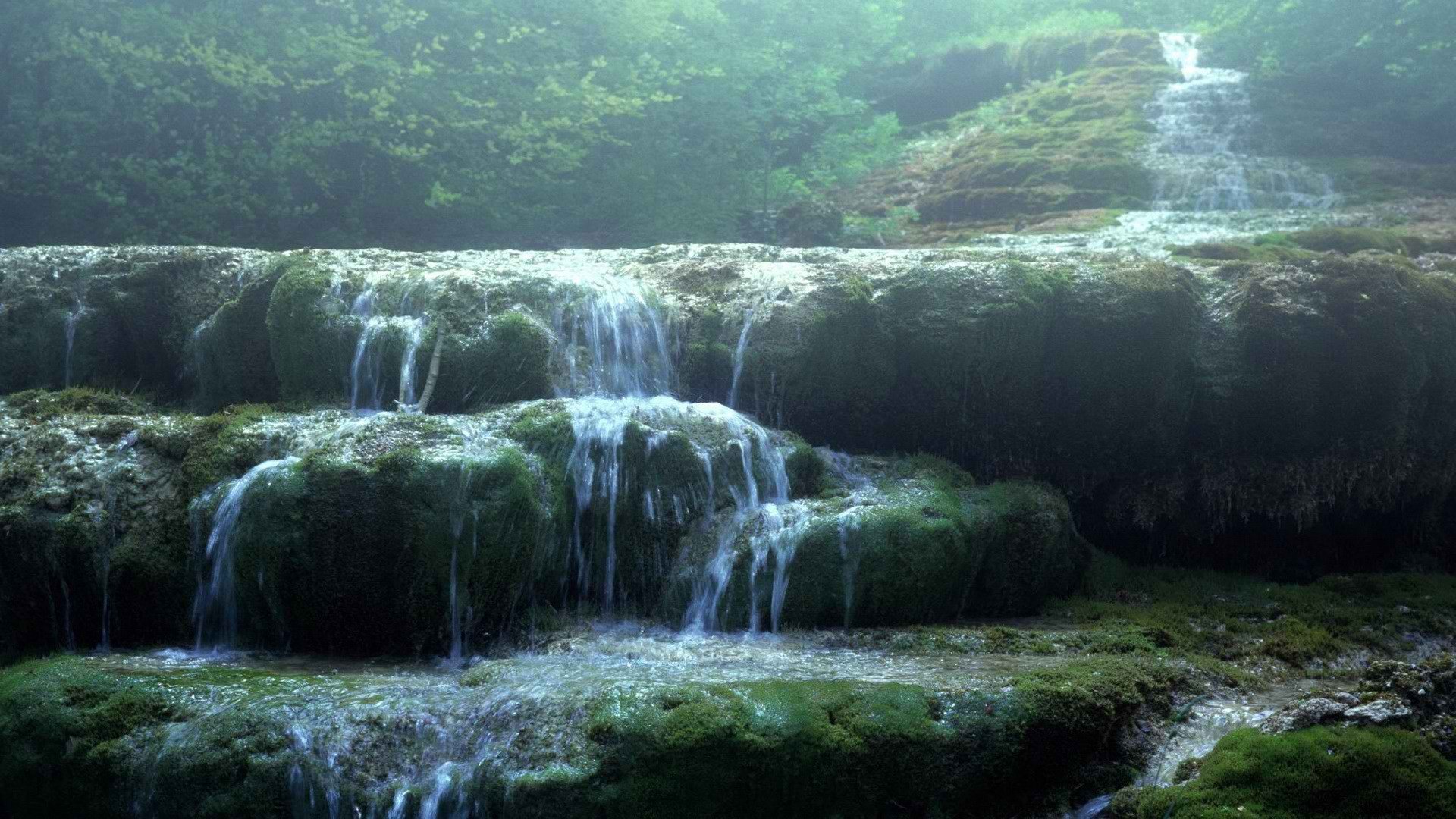
New York City is often synonymous with towering skyscrapers and bustling streets. However, nestled in its myriad neighborhoods are hiking trails that invite exploration and provide an invigorating escape from urban life. These hidden gems cater to nature enthusiasts and urban dwellers alike, blending the unique charm of city life with the tranquility of outdoor experiences. Here are ten exceptional places to hike throughout New York City, where the landscapes are not just a backdrop but an immersive invitation to connect with nature.
1. Inwood Hill Park, Manhattan
Inwood Hill Park, located at the northern tip of Manhattan, offers a serene sanctuary with a glimpse into New York’s natural history. This park features the last remaining natural forest in Manhattan, dense with old-growth trees and winding trails. Hikers can explore the lush surroundings while enjoying stunning views of the Hudson River and the Palisades. The park’s trails vary in difficulty, making it accessible for both casual walkers and seasoned trekkers.
2. Fort Tryon Park, Manhattan
Perched on the Hudson River, Fort Tryon Park is a resplendent oasis characterized by its rolling hills and picturesque pathways. The park’s trails provide breathtaking views of the river and the George Washington Bridge. Rich with history, this former fortification site is also home to the renowned Cloisters museum, featuring art from medieval Europe. A stroll through the gardens, particularly during the autumn when foliage transforms, is nothing short of magical.
3. Central Park, Manhattan
While Central Park is frequently teeming with city dwellers, its expansive 843 acres offer countless trails that meander through vibrant landscapes. From the serene ramble to the iconic mall lined with towering elms, hikers can find solace amidst the park’s natural beauty. Don’t miss the picturesque Bethesda Terrace, where the water’s edge creates a relaxing atmosphere—perfect for a reprieve during your hike. Central Park ensures that even the most seasoned New Yorker can discover new paths each visit.
4. Prospect Park, Brooklyn
Designed by the same architects as Central Park, Prospect Park features extensive trails that wind through woodlands, meadows, and alongside tranquil lakes. The park’s Long Meadow is one of the longest continuous green spaces in the city, serving as an ideal spot for strolling or picnicking. For those who seek a bit of elevation, a hike up to the Prospect Park Lookout provides a charming vista of the Brooklyn skyline. The park’s diverse array of flora and fauna also captivates nature enthusiasts.
5. The Brooklyn Waterfront Greenway
This 26-mile-long pathway stretches alongside Brooklyn’s waterfront, providing breathtaking views of Manhattan across the East River. The Greenway connects neighborhoods like Red Hook, DUMBO, and Williamsburg, revealing a dynamic landscape where urban life collides with nature. Trailblazers can explore parks, piers, and the vibrant street art that adorns the route. The allure of this trail lies not only in its scenic aspects but also in the opportunity to experience the evolving culture of Brooklyn.
6. Van Cortlandt Park, The Bronx
As one of the largest parks in New York City, Van Cortlandt Park spans 1,146 acres, offering a myriad of trails that traverse wooded areas, open fields, and wetlands. Hikers can embark on the famous Van Cortlandt Park Trail, a scenic loop that showcases the park’s diverse ecosystems. Birdwatchers will also delight in the opportunities to spot migratory species along the various water bodies. This park encapsulates a slice of tranquility amidst the vibrant pulse of the Bronx.
7. Pelham Bay Park, The Bronx
Encompassing more than 2,700 acres, Pelham Bay Park is the largest park in New York City and features a diverse range of hiking trails. The park is home to the pristine Orchard Beach, and its trails lead through lush woodlands and serene salt marshes. The popular Hiking Trail to Hunter Island offers an encounter with coastal wildlife and stunning views of the Long Island Sound, making for an enchanting outdoor experience. The sheer size of Pelham Bay Park allows for exploration without the hustle of city life.
8. Freshkills Park, Staten Island
Freshkills Park, once a landfill, is a remarkable transformation project, now an expansive green space boasting over 2,200 acres of hiking trails. The park features varied terrains, from wetlands to meadows, all teeming with wildlife. Hikers can traverse paths that meander through the park’s landscapes, experiencing the unique juxtaposition of nature and urban renewal. The park’s design encourages discovery—allowing for an encounter with unique flora, fauna, and panoramic vistas of the New York Harbor.
9. Staten Island Greenbelt
The Staten Island Greenbelt is a sprawling network of parks that encompasses several hiking trails, including the famed Blue Trail. The Greenbelt’s trails curve through forests, wetlands, and hills, showcasing the island’s rich biodiversity. Hikers can experience the serene beauty of the natural landscape at the Richmond Town and the picturesque Crooke’s Point. The tranquil atmosphere provides a perfect retreat from the turmoil of urban life, making it an essential hiking destination on Staten Island.
10. Governors Island
Accessible via a short ferry ride, Governors Island offers an unexpected hiking experience with pathways lined by beautiful trees and floral gardens. The island’s history is palpable, with remnants of old fortifications adorning the landscape. Explore the art installations and open spaces that invite visitors to roam freely. The views of Lower Manhattan and the harbor while hiking around the island are breathtaking, adding an unforgettable aspect to the outdoor experience. This blend of history and natural beauty serves as a reminder of the ever-changing cityscape.
In a city renowned for its concrete constructs, these hiking trails invite you to rediscover urban nature. Each trail offers its unique narrative, reflecting the intertwining of history, culture, and landscape. The experience of hiking these paths is not merely physical; it’s a journey that offers new perspectives, engages curiosity, and ultimately enhances the understanding of the urban natural world.