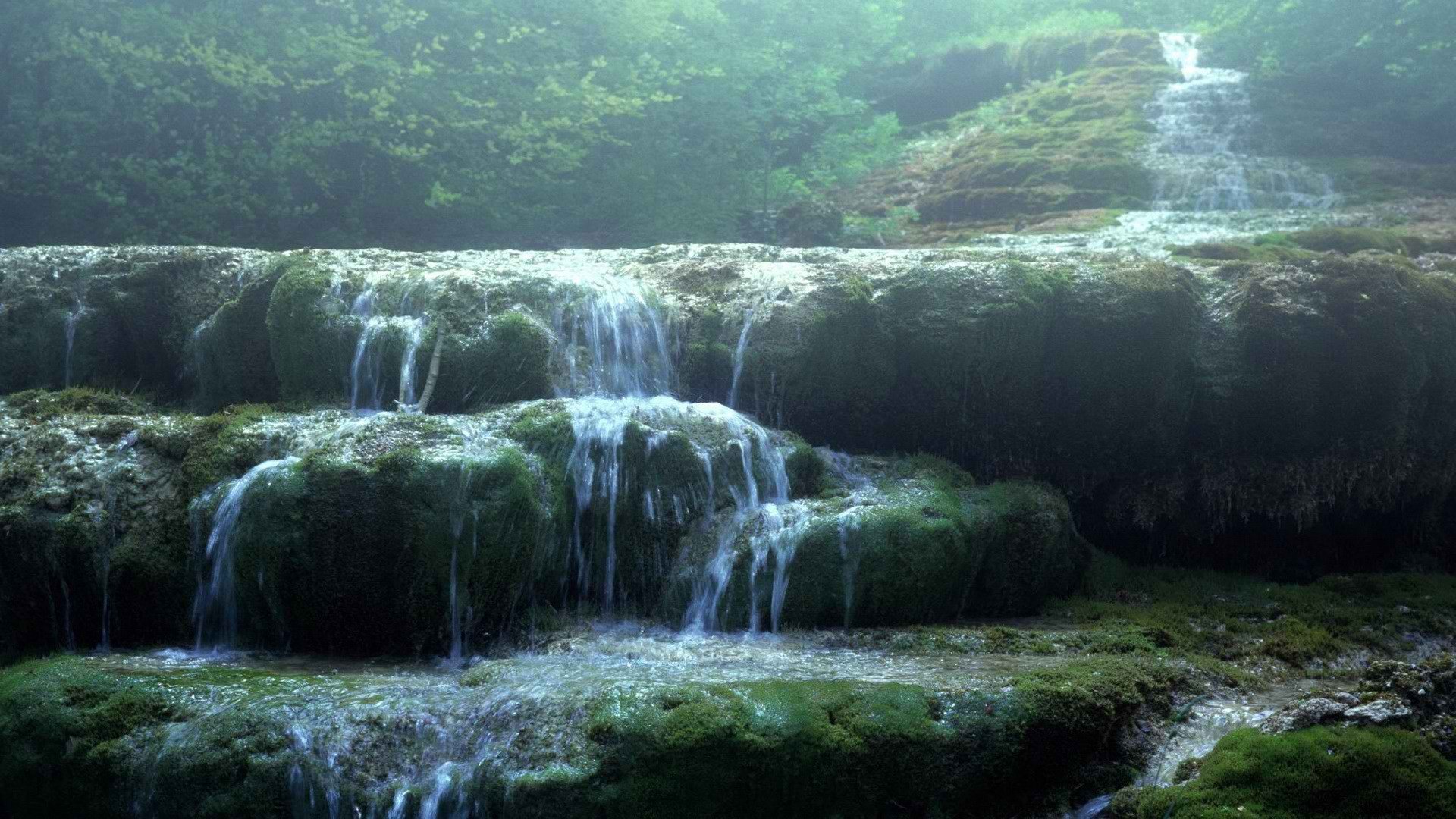
New York City, renowned for its towering skyscrapers and bustling streets, paradoxically holds a wealth of serene nature trails within its diverse neighborhoods. These paths offer not only a refuge from the urban frenzy but also provide an opportunity to reflect on our connection to nature amidst the concrete jungle. Here, we explore ten remarkable nature trails that typify the city’s unique blend of urban life and natural beauty.
1. Central Park’s Ramble
Address: Mid-Park between 73rd and 78th Streets
Nestled in the heart of Manhattan, the Ramble in Central Park unfurls like a secluded forest, replete with winding paths and diverse flora. Encompassing nearly 38 acres, this woodland area is purposely designed to invoke a sense of wilderness. Visitors often find themselves entranced by the melodious call of warblers during migration seasons, making the Ramble a prime spot for birdwatching enthusiasts. The trail’s labyrinthine structure enables exploration and discovery, offering a respite from the hustle and bustle of city life.
2. Prospect Park’s Loop Trail
Address: 95 Prospect Park West, Brooklyn, NY 11215
Brooklyn’s Prospect Park doesn’t merely serve as a recreational haven; it embodies the essence of nature’s sanctuary. The Loop Trail encompasses around 3.35 miles, weaving through lush greenery, serene lakes, and vibrant meadows. Visitors are intricately connected to the park’s history, as it’s designed by the same architects who created Central Park. Whether walking, jogging, or cycling, taking this trail allows one to appreciate the scenic idyll while contemplating the park’s artistic legacy.
3. The High Line
Address: Gansevoort St. to 34th St, New York, NY 10011
Once an elevated freight rail line, the High Line has metamorphosed into a premier linear park adorned with native plants and art installations. Stretching 1.45 miles along Manhattan’s West Side, this trail juxtaposes urban architecture with horticultural elegance. Visitors have the chance to witness the seamless integration of ecological and aesthetic components while strolling along with sculptures dotting the route. The High Line serves as a symbol of innovative urban renewal, echoing the belief that green spaces can rejuvenate vibrant neighborhoods.
4. Pelham Bay Park’s Hunter Island Trail
Address: 555 Juniper Ave, Bronx, NY 10464
As the largest park in New York City, Pelham Bay Park houses an array of trails, with the Hunter Island Trail being particularly notable. The 2.5-mile loop circumvents a picturesque coastline, presenting a unique juxtaposition of lush wetlands and serene bay views. The trail offers botanical exhibits that change with seasons, enriching the sensory experience. Camping in the vicinity enhances the allure, as it allows visitors to immerse themselves in nature overnight, fostering a deeper connection with the environment.
5. Inwood Hill Park’s Natural Trails
Address: 220th Street and Seaman Ave, New York, NY 10034
Inwood Hill Park boasts the rare distinction of showcasing the last remaining natural forest in Manhattan, making it an invaluable ecological asset. The park’s network of trails, winding through hills and valleys, offers a sense of seclusion amidst the city’s cacophony. The trails encapsulate rich historical narratives, as they were the site of the Lenape tribe before European settlement. Walking here often invites contemplation on the layers of history concealed within urban development.
6. Van Cortlandt Park’s Croton Trail
Address: Broadway and 246th St, Bronx, NY 10471
Van Cortlandt Park captures the essence of New York’s natural landscapes with its sprawling green spaces and rich ecosystem. The Croton Trail, a 3.5-mile stretch, traverses woodlands and wetlands, showcasing the area’s diverse wildlife. Ideal for seasoned hikers and casual walkers alike, the trail culminates at the Croton Dam, evoking a sense of accomplishment. Interpretive signs along the way educate visitors about local biodiversity, reinforcing the park’s commitment to environmental stewardship.
7. Forest Park’s Ridgewood Trail
Address: 80 Forest Park Dr, Woodhaven, NY 11421
Queens’ Forest Park is an enchanting locale that features the Ridgewood Trail, a 1.5-mile path perfect for an afternoon excursion. As one explores the oak and cherry tree canopies, the trail becomes a natural canvas, revealing a tapestry of seasonal changes. Notably, a picturesque carousel and horseback riding opportunities further enhance the park’s appeal. Engaging with the vibrant flora and fauna here often prompts visitors to muse on the resilience of nature in urbanized settings.
8. Alley Pond Park’s Nature Trail
Address: 75th Ave, Douglaston, NY 11362
Alley Pond Park represents a true ecological treasure. The 2.1-mile nature trail weaves through diverse habitats, including tidal wetlands and oak forests. The park’s unique ecosystem is highlighted by the presence of a natural pond, inviting discussions about the role of wetlands in urban settings. An added layer of intrigue is the Adventure Course, which challenges visitors to engage physically with the environment, reinforcing the notion that nature can foster both recreation and education.
9. Staten Island Greenbelt’s Blue Trail
Address: 200 Nevada Ave, Staten Island, NY 10305
The Staten Island Greenbelt offers a sanctuary for tranquility, and the Blue Trail, stretching over 5 miles, is a testament to its pristine natural habitat. This wide-ranging trail meanders through lush greenery, which serves as home to a variety of wildlife, including deer and foxes. The trail’s rich biodiversity inspires curiosity and respect for the natural world. Unique geological formations along the path encourage visitors to ponder the incredible forces that shaped these landscapes.
10. Jamaica Bay Wildlife Refuge Trail
Address: 175-10 Cross Bay Blvd, Jamaica, NY 11434
A vital component of the Gateway National Recreation Area, Jamaica Bay Wildlife Refuge offers interpretative trails that seamlessly merge scenic beauty with ecological significance. The trails navigate through salt marshes and tidal flats, creating a habitat for numerous bird species. With accessible points for birdwatching and nature photography, this area fosters appreciation for the intricacies of local ecosystems. It becomes apparent that pathways such as these remind city dwellers of their role in preserving natural habitats.
Each nature trail in New York neighborhoods encapsulates the city’s multifaceted identity, revealing the intricate interplay between natural beauty and urban life. As these paths unfurl, they beckon residents and visitors alike to delve deeper into the green realms that coexist with man-made landmarks. Taking the time to explore these trails fosters a profound appreciation for the majesty of nature, prompting reflection on our shared responsibility to protect such cherished environments.