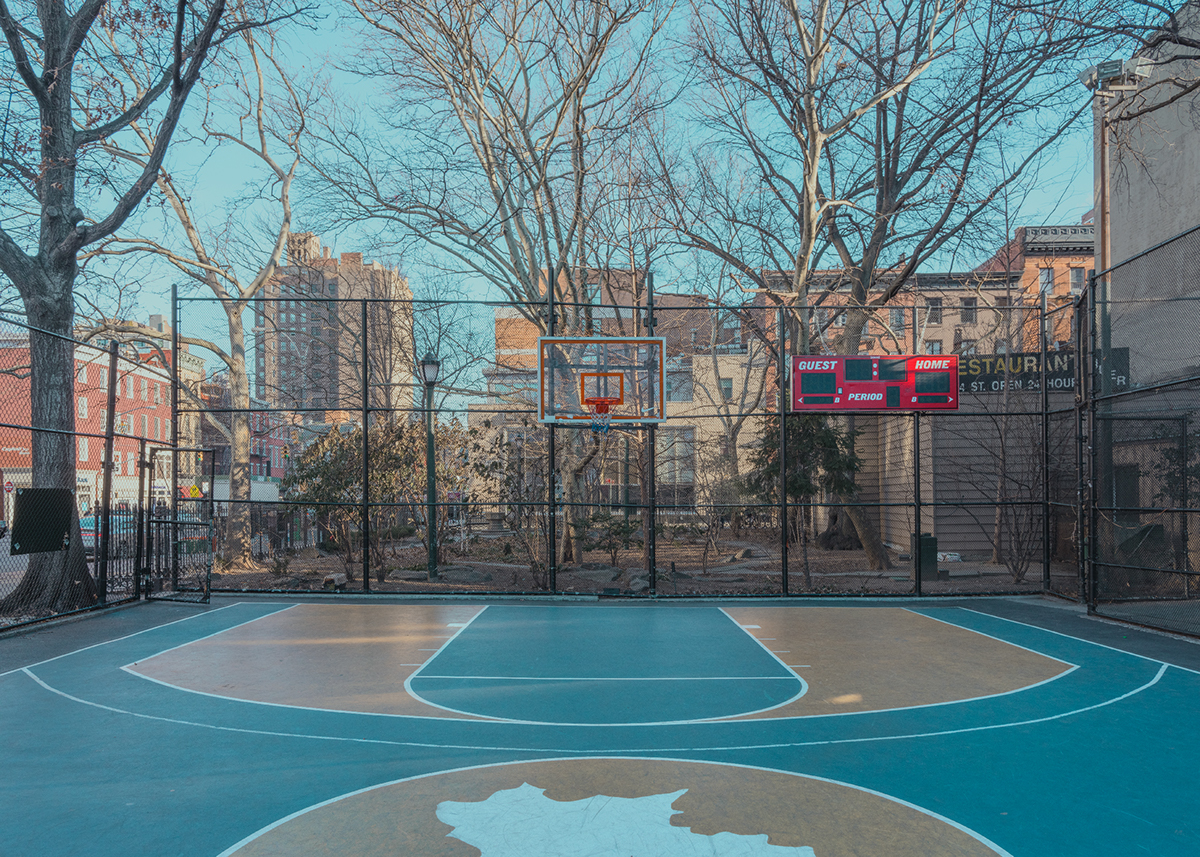
New York City pulsates with an undeniable energy, and its vibrant neighborhoods are replete with basketball courts that serve as both arenas for athletic prowess and communal gathering spaces. These courts ripple with the stories of players—young and old—who hone their skills, engage in friendly rivalry, or simply enjoy a day of leisure. In this sprawling urban landscape, each court has its own character, melding cultural uniqueness with a sense of belonging. Here, we explore ten basketball courts scattered across New York neighborhoods, delving into what makes each one distinctive and significant.
1. Rucker Park – 155th Street & Frederick Douglass Blvd
Arguably the most iconic basketball court in New York City, Rucker Park is steeped in basketball lore. A historic playground situated in Harlem, it has played host to a plethora of legendary games featuring professional and streetball players alike. The court’s notoriety stems not only from its high-level competition but also from its cultural significance, symbolizing the rich heritage of the African American community. The atmosphere is electric, especially during the summer months, when the Rucker Pro Summer League attracts crowds eager to witness the fusion of talent and entertainment.
2. West Fourth Street Courts – West 4th & MacDougal Street
Known to locals as “The Cage,” the West Fourth Street Courts encapsulate the fervor of New York City streetball. Enclosed by a chain-link fence, these courts are a melting pot of diverse playing styles, where urban basketball transcends mere sport to become an expression of identity. The relatively small playing area amplifies the competition, intensifying each game’s stakes. Surrounded by coffee shops and the eclectic Greenwich Village atmosphere, it has become a haven for aspiring athletes and casual players alike.
3. New York City Housing Authority’s Harlem River Park – FDR Drive & East 138th Street
This court serves not just as a venue for organized play but also as a testament to community resilience. Situated within a public housing complex, the Harlem River Park courts provide access to essential recreational facilities for residents. The mix of youth and adults playing together under the watchful eye of community coaches fosters camaraderie and encourages a strong neighborhood bond. The views of the Bronx across the Harlem River add a picturesque allure to this otherwise rugged setting.
4. Brooklyn Bridge Park – Main Street & Plymouth Street
Overlooking the Manhattan skyline, the Brooklyn Bridge Park courts combine aesthetic beauty with competitive play. Situated next to the East River, this location offers players a breathtaking backdrop while they engage in pick-up games. Aside from its stunning views, Brooklyn Bridge Park is part of a broader revitalization project aimed at promoting outdoor activities in the borough—attracting families and athletes to an area that celebrates both leisure and community interaction.
5. Saraceno Park – 35th Avenue & 70th Street, Astoria
Nestled in Astoria, Saraceno Park is a quintessential neighborhood court that caters to a diverse demographic of players. The park is characterized by its welcoming ambiance, providing an inviting space where children and families gather to partake in recreational activities. The vibrant community spirit is palpable on game days, as volunteers organize tournaments aimed at promoting healthy competition while fostering relationships among residents.
6. Thomas Jefferson Park – 28th Street & 1st Avenue
Located in East Harlem, Thomas Jefferson Park boasts well-maintained courts embedded within a larger recreational facility, complete with fields and playgrounds. The basketball court stands as a focal point for local events, hosting everything from tournaments to summer camps for young athletes. The diversity of players, coupled with the park’s commitment to community engagement, transforms this space into a hub for connection and empowerment.
7. Fort Greene Park – Dekalb Avenue & Washington Park
A historical landmark, Fort Greene Park features basketball courts that attract a diverse player base, all drawn to both skill and the park’s rich cultural backdrop. The courts are often filled with players engaging in intense competition while music fills the air, blending the joy of sport with the vibrancy of the neighborhood. Fort Greene, with its rich historical significance and artistic influences, reinforces how basketball serves as yet another layer of the community’s complex narrative.
8. Van Cortlandt Park – Broadway & 248th Street
As one of the largest parks in the Bronx, Van Cortlandt Park positions itself as a recreational oasis. The basketball courts here welcome both seasoned players and novices. The park’s expansive greenery, intertwined with walking and biking paths, ensures that basketball enthusiasts have the space to unwind. The ambiance is particularly appealing during autumn, when colorful foliage can serve as a stunning backdrop for those seeking to enjoy a game amidst nature.
9. McCarren Park – Lorimer Street & Bedford Avenue
Situated on the border of Williamsburg and Greenpoint, McCarren Park is a desirable locale for basketball lovers seeking a combination of sport and social interaction. The recently renovated courts cater to a blend of youthful energy and experienced players. With the convenience of nearby cafes and restaurants, the park facilitates a post-game culture that fosters companionship and camaraderie, making it an ideal spot for both basketball and relaxation.
10. Los Angeles Park – 2320 Forest Avenue
This lesser-known gem in Staten Island provides a serene setting for basketball enthusiasts. While it may not receive the same acclaim as its counterparts in boroughs like Manhattan or Brooklyn, Los Angeles Park showcases the charm of neighborhood courts. It offers a laid-back atmosphere where players can engage in friendly matches surrounded by mature trees. Residents appreciate the opportunity to participate in a game without the pressure often found in more prominent locales, allowing for a casual yet spirited experience.
As each of these basketball courts demonstrates, the sport embodies more than athleticism; it signifies a collective culture, bridging generational gaps while fostering community ties. From the storied histories of Rucker Park to the casual setups at Los Angeles Park, these courts encapsulate the essence of New York City—dynamic, diverse, and deeply rooted in the lives of its residents. These gathering places remain pivotal in shaping the social fabric of their neighborhoods, highlighting how a simple game can weave together the stories of countless individuals.